








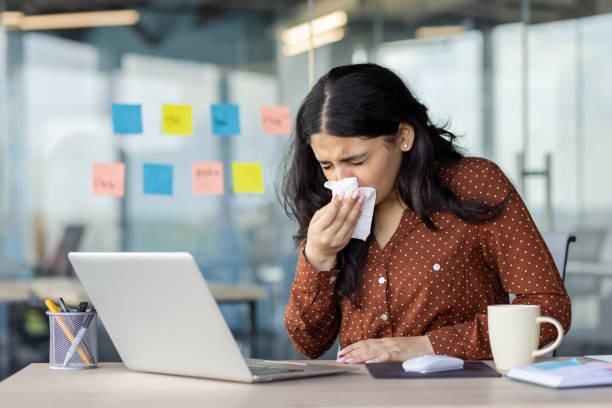
Office syndrome, a collection of symptoms resulting from prolonged sedentary work, has become increasingly prevalent in modern workplaces. Characterized by musculoskeletal discomfort, eye strain, and mental fatigue, this condition affects productivity and overall well-being. As awareness grows about the adverse effects of prolonged sitting and repetitive tasks, active breaks have emerged as a practical solution to mitigate these issues.
Active breaks involve short periods of physical activity interspersed throughout the workday. These breaks are designed to counteract the negative impacts of static postures by promoting movement and circulation. The concept is simple yet effective: brief intervals of exercise or stretching can significantly improve physical health and enhance cognitive function.
One primary benefit of active breaks is their ability to reduce musculoskeletal discomfort. Prolonged sitting often leads to stiffness in the neck, shoulders, back, and hips due to poor posture and limited movement. Incorporating regular stretches or exercises targeting these areas can alleviate tension and prevent chronic pain associated with Office syndrome.
Moreover, active breaks contribute positively to mental health by reducing stress levels. Engaging in physical activity releases endorphins—natural mood lifters—that help combat feelings of anxiety or depression commonly experienced during long hours at a desk. This boost in mood not only enhances personal well-being but also increases workplace morale.
In addition to physical benefits, taking active breaks can improve concentration and productivity. Short bursts of exercise have been shown to increase blood flow to the brain, enhancing cognitive functions such as memory retention and problem-solving skills. Employees who take regular active breaks often report higher energy levels throughout the day compared to those who remain sedentary for extended periods.
Implementing active breaks into the daily routine does not require significant time investment or complex equipment; simple activities like walking up stairs instead of using elevators or performing desk-based stretches suffice for reaping substantial benefits. Encouraging employees to stand up every hour for a quick walk around the office or organizing group stretch sessions can foster an environment that values health alongside productivity.
Employers play a crucial role in promoting such practices within their organizations by creating policies that support frequent movement during work hours without compromising job responsibilities. Providing adjustable desks that allow workers alternate between sitting and standing positions further encourages an actively engaged workforce while simultaneously minimizing risks related with traditional seating arrangements over prolonged durations.
By integrating these strategies into daily routines at workplaces globally we nurture healthier environments conducive towards optimal performance both physically mentally thereby effectively combating challenges posed through lifestyle-induced conditions like office syndrome ultimately paving way forward sustainable future driven balanced approach between occupational demands personal wellbeing alike!


